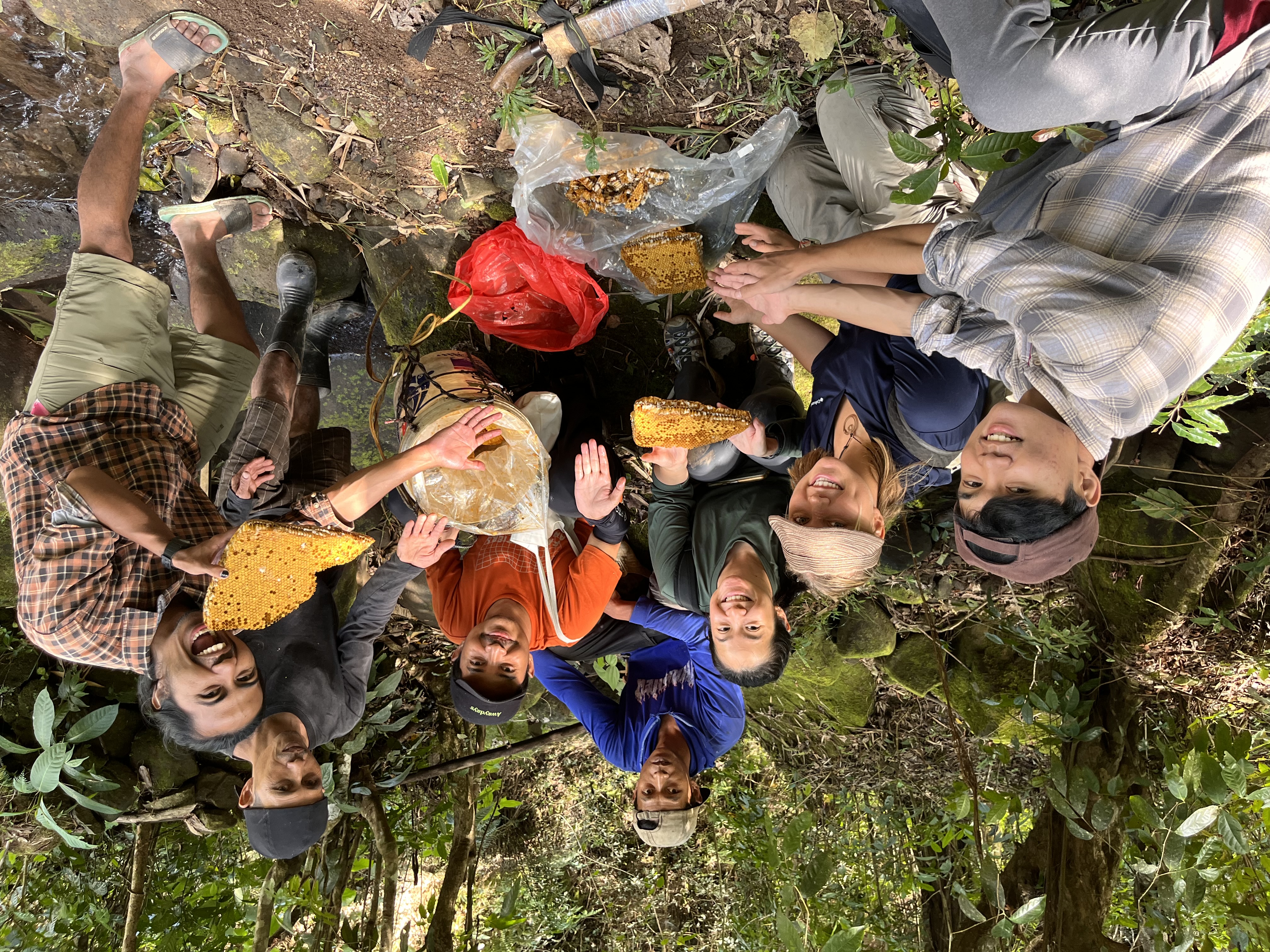
I am an environmental social scientist studying the political economy of land use change across the Asia-Pacific — deforestation, agrarian transformation, urban vulnerability, and the governance of natural resources. My work is rooted in long-term fieldwork in Indonesia and Southeast Asia, with a growing focus on Hawaiʻi and the Pacific.
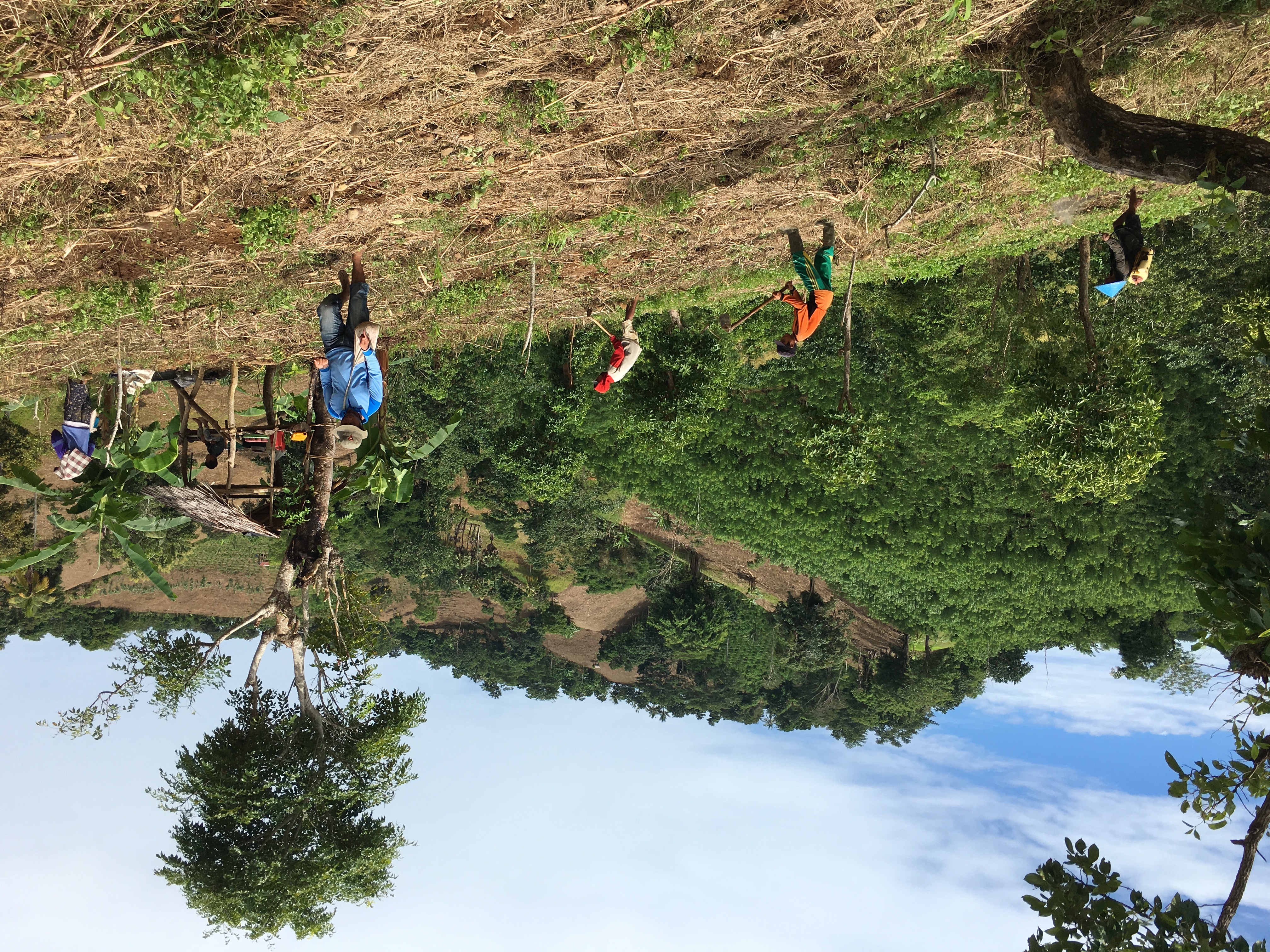
What happens after Indigenous communities win recognition of their land rights? This monograph follows the aftermath of the first formal return of state forest lands to an Indigenous community in Indonesia, tracing questions of land, belonging, and the unfinished work of decolonization. It builds on dissertation research and extends into new theoretical and empirical ground around agrarian transformation and the politics of inheritance.
Co-edited with two collaborators, this volume brings together scholars and practitioners working on social forestry across the region. It examines the tensions between livelihood imperatives and conservation goals, the politics of recognition, and what it means to govern forests with and for communities rather than over them.
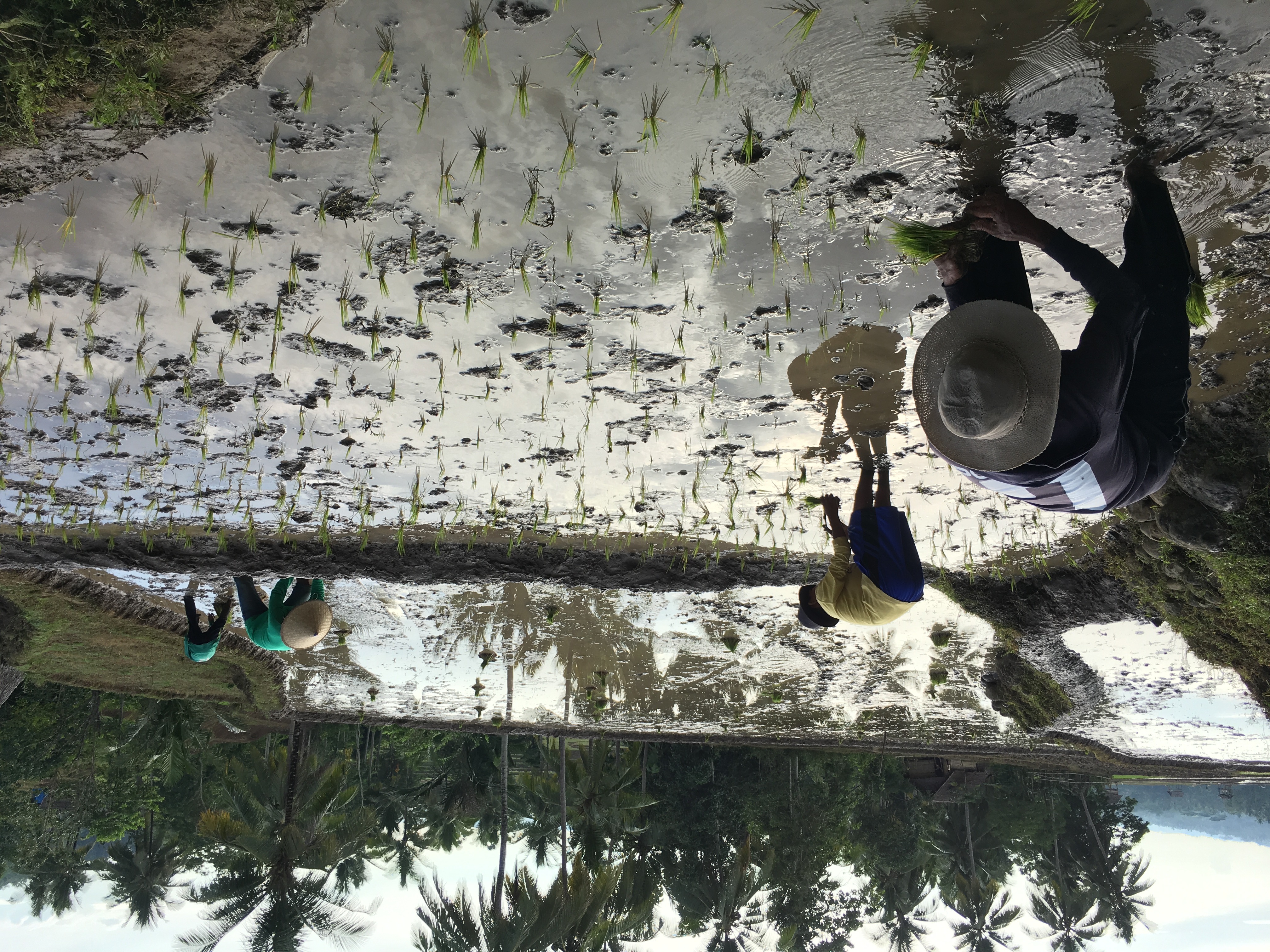
Commodity booms, enclosure, and deforestation in tropical forest countries. Focused on Indonesia, where oil palm and rubber expansion have reshaped both landscapes and the terms of rural citizenship — and what follows when Indigenous communities win back recognition of their land.
02Building on the legacy of Elinor Ostrom, this research examines how communities govern shared resources — from forests to fisheries to watersheds. As IASC Conference Chair for 2027, I am convening global scholars and practitioners working on commons governance for the biennial conference.
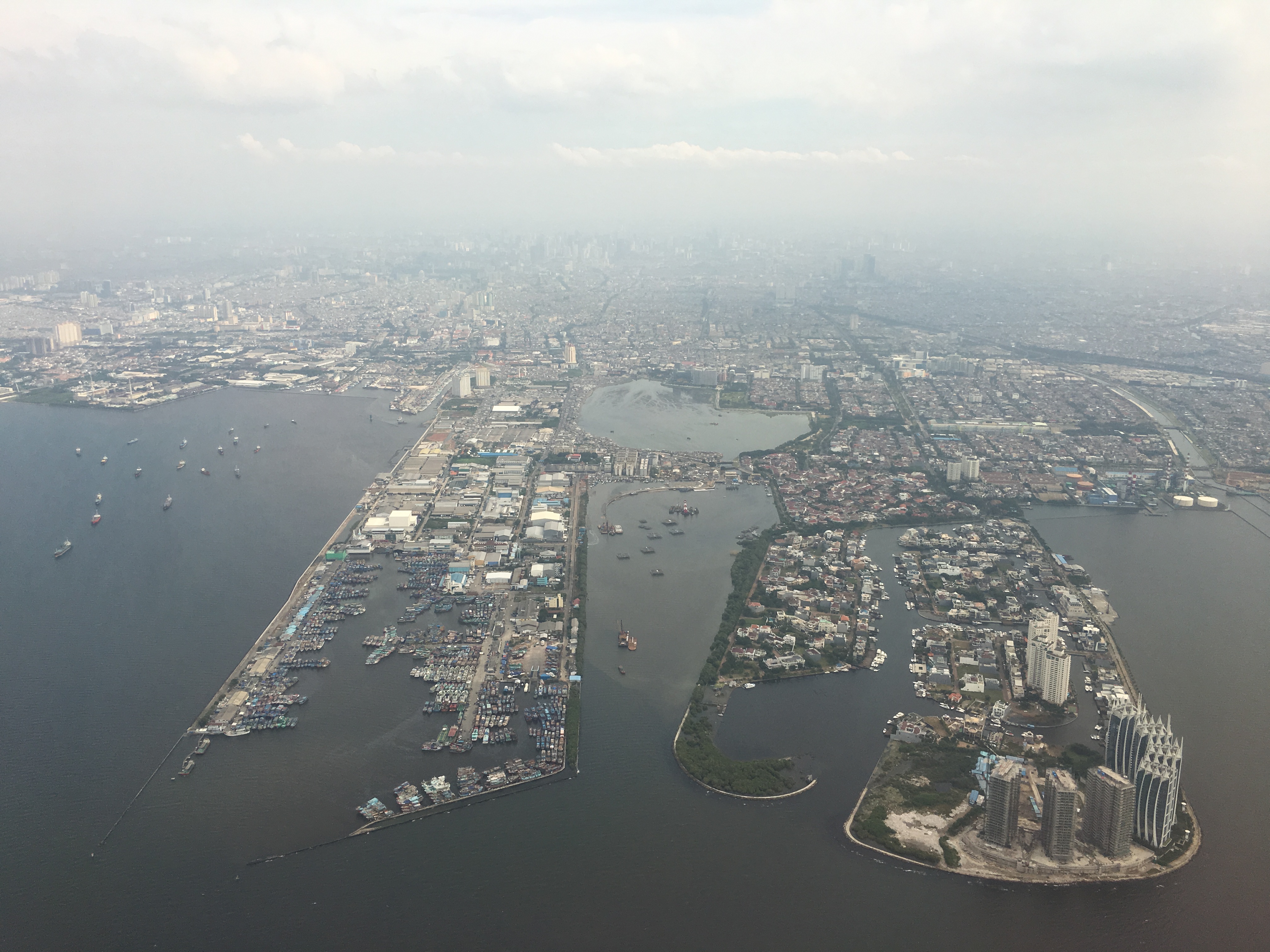
03From the Mahakam Delta to Jakarta and the new capital Nusantara, this research follows rural migrants to low-lying cities, studying flooding, climate vulnerability, and the uneven politics of who bears the cost of environmental change in expanding urban regions.
04Drawing from Rockefeller Foundation-funded workshops across seven Asian countries, this research asks how communities — not just states — reshape climate policy from below. Including carbon governance, mangroves as blue carbon, and Indonesia's net-zero commitments.
05From participatory mapping and satellite-based deforestation monitoring to AI and environmental governance — how digital tools reshape who participates in governance decisions, and on what terms. An emerging research agenda connecting technology, power, and environmental justice.
06I serve as Editor-in-Chief of Forest and Society, an international peer-reviewed journal focused on the social dimensions of forests and forest-based communities across the Global South. The journal publishes research at the intersection of political ecology, environmental governance, and agrarian studies.
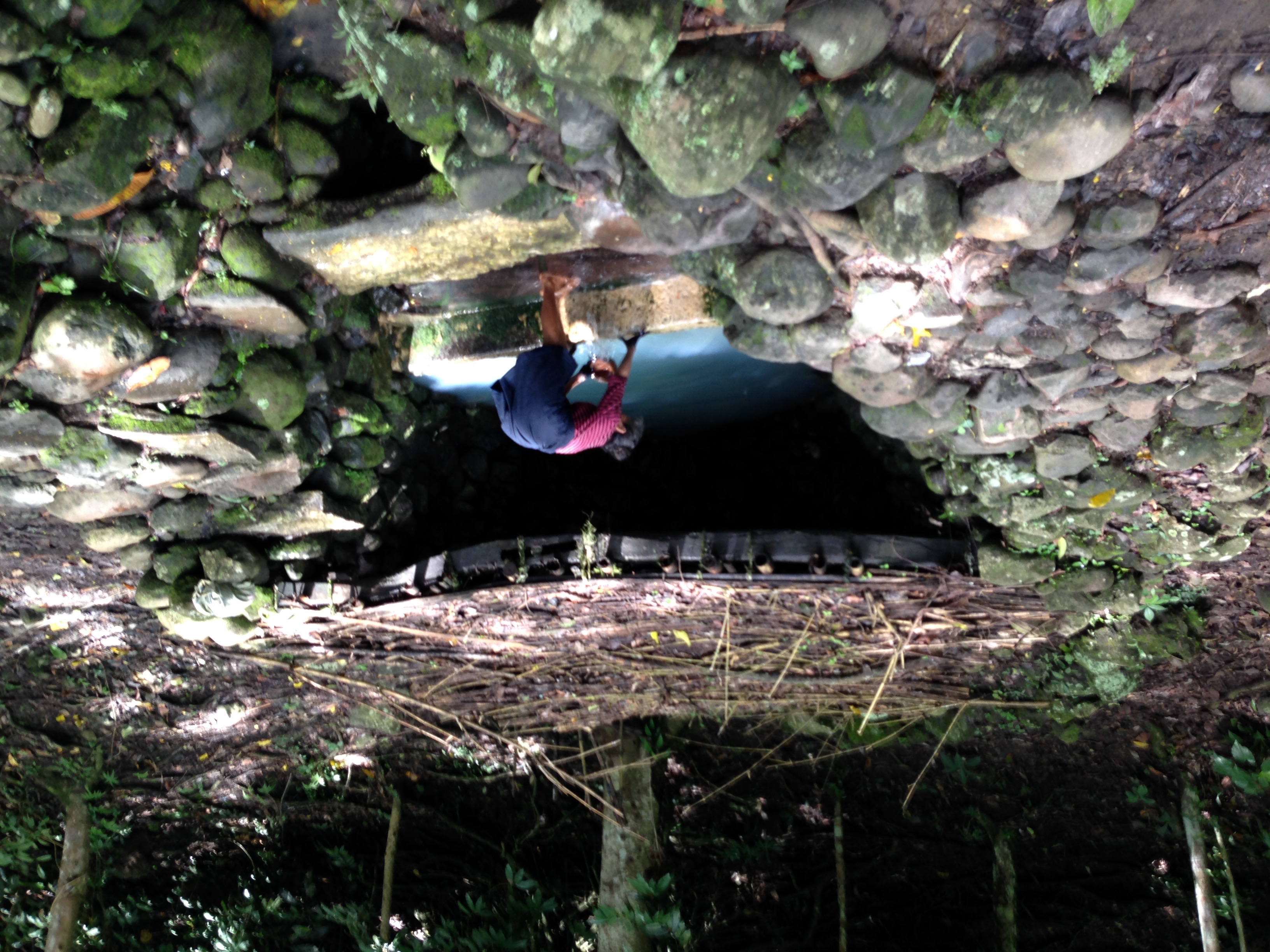
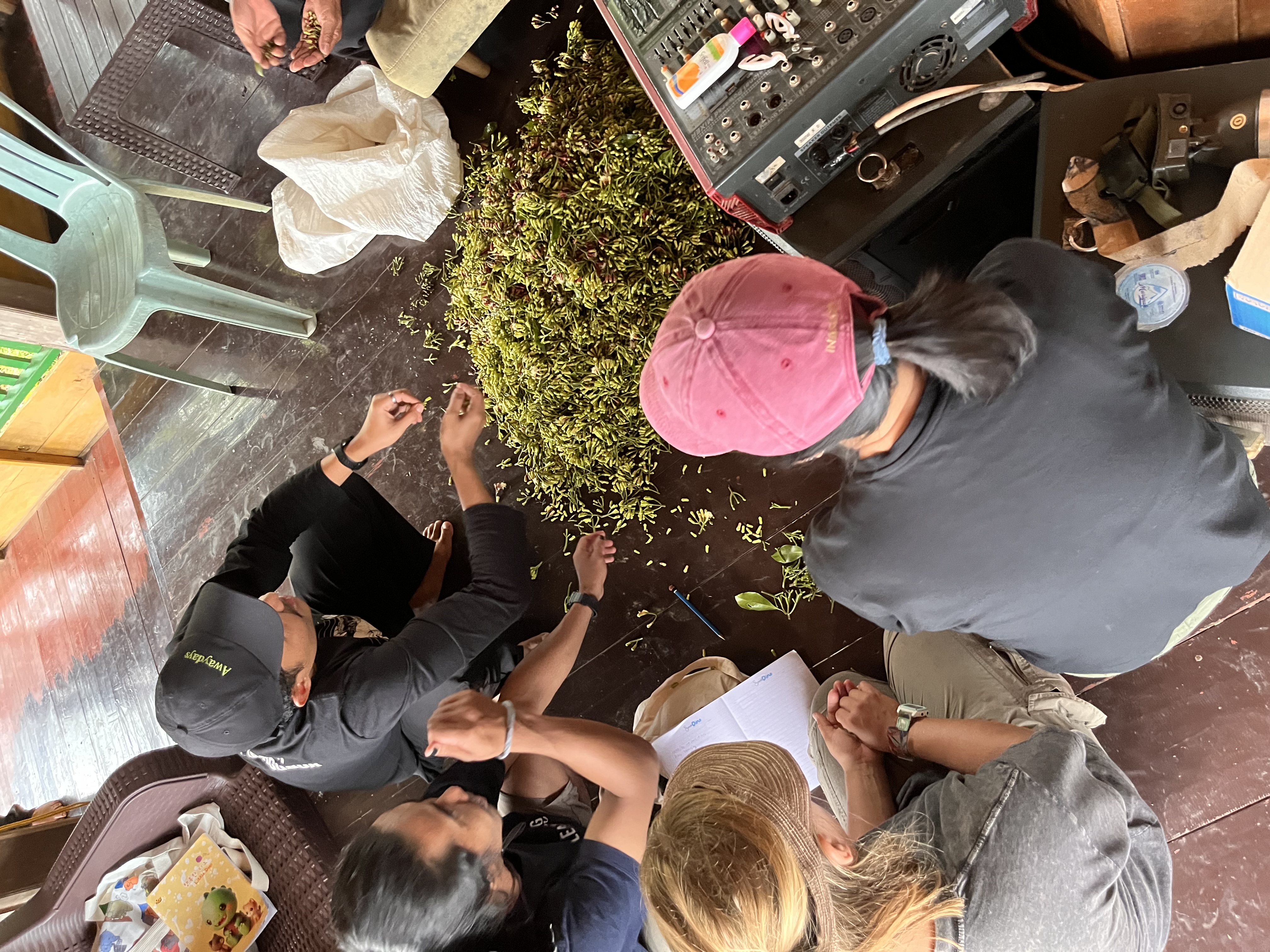
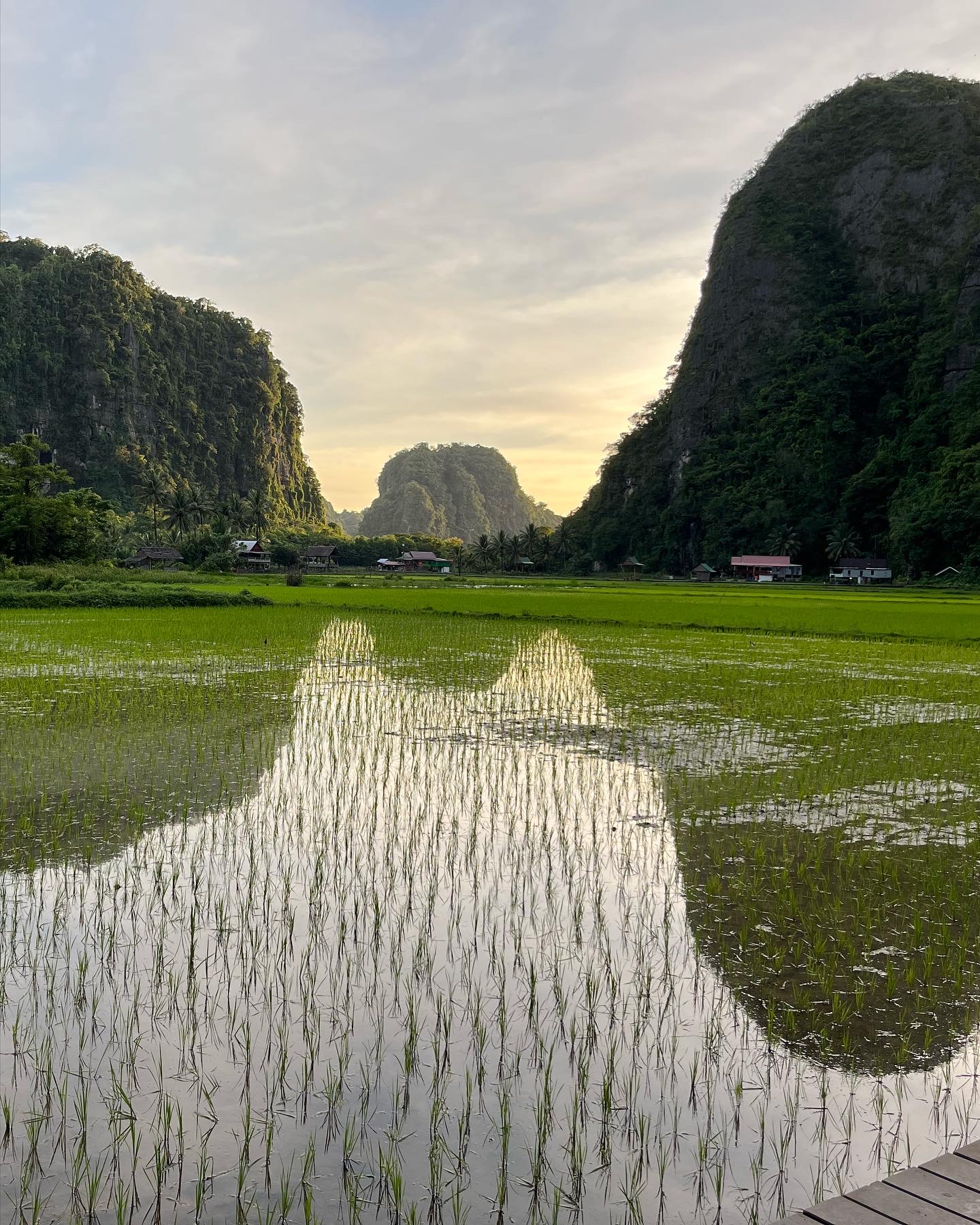
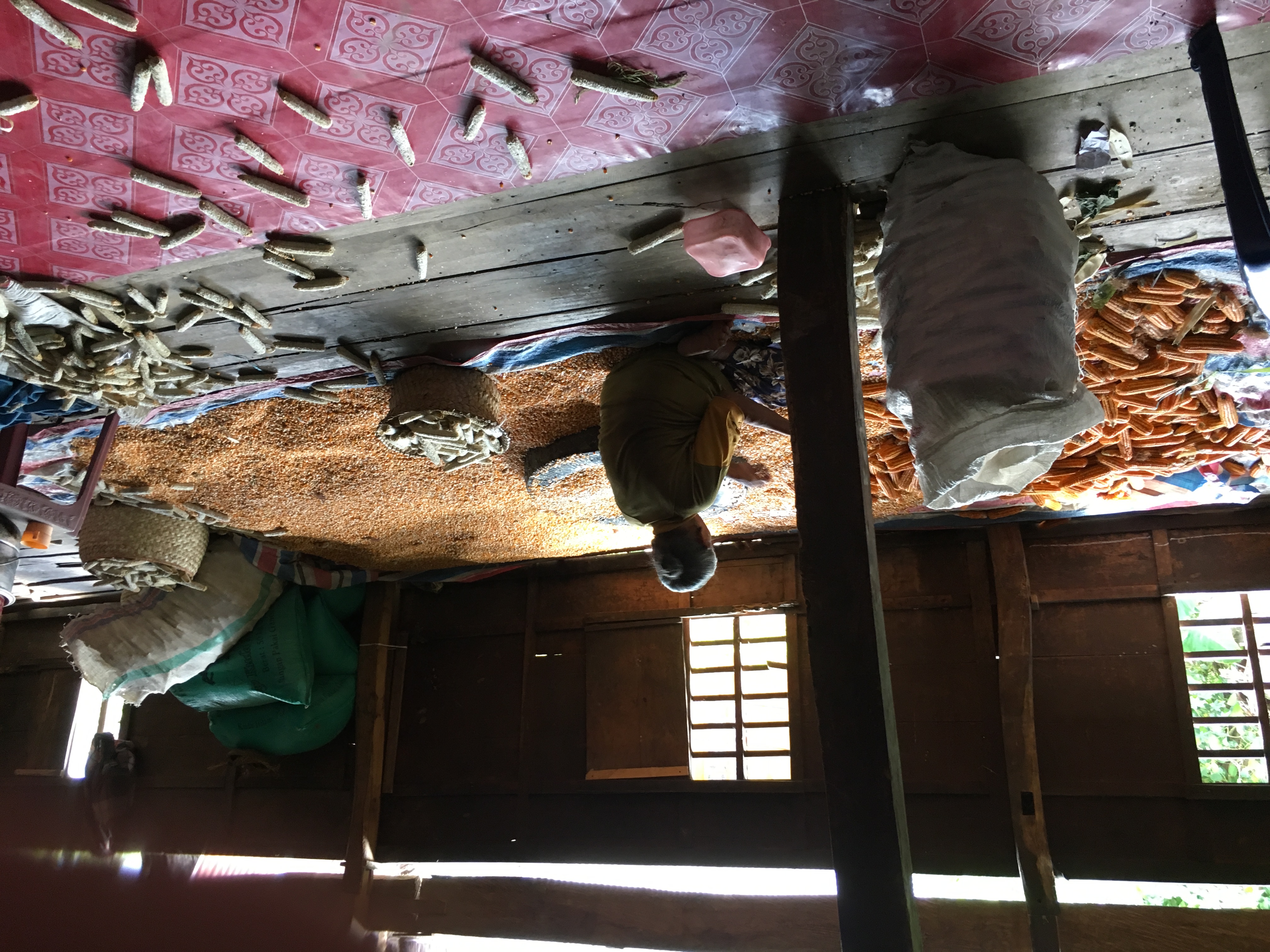
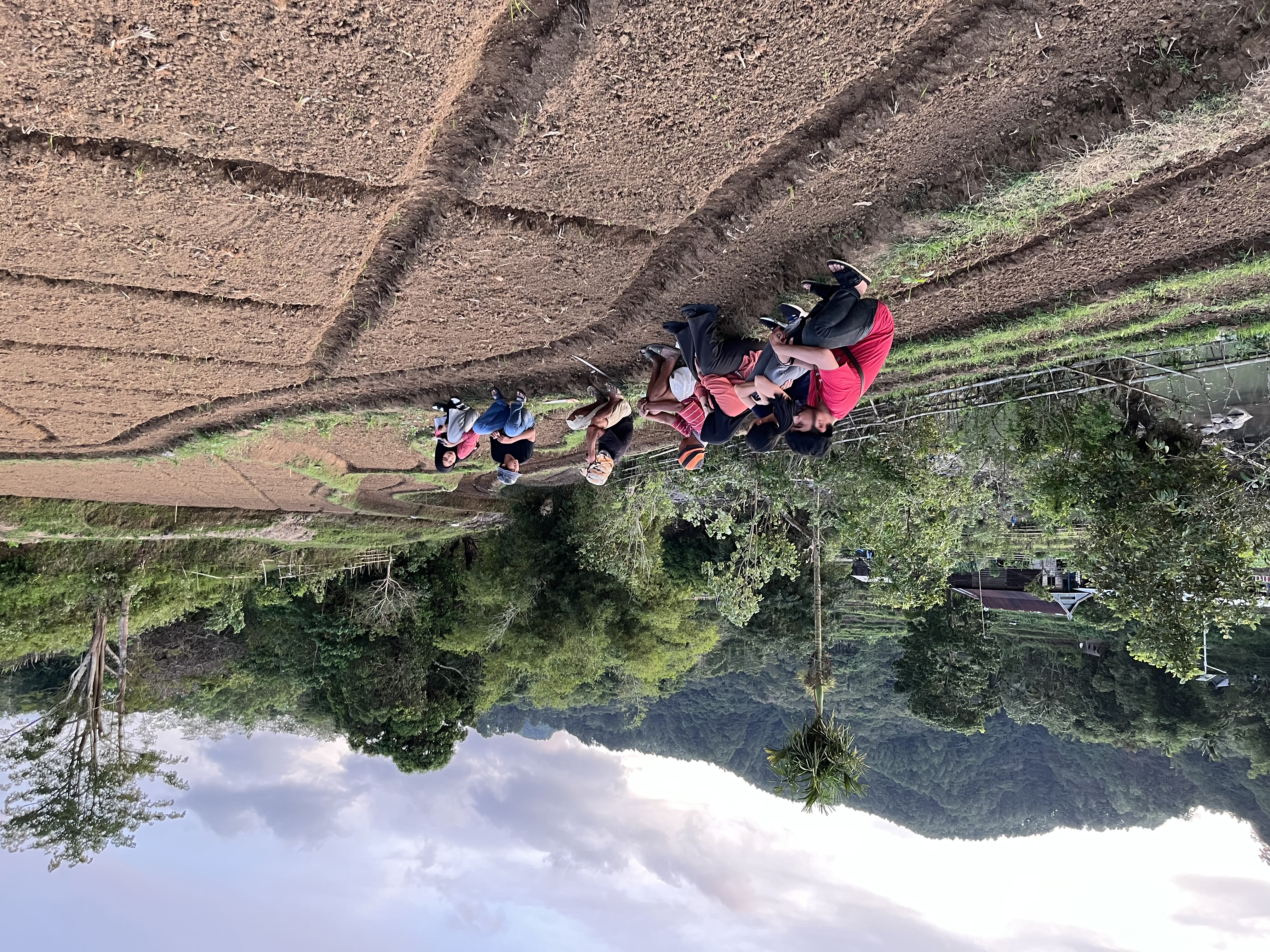
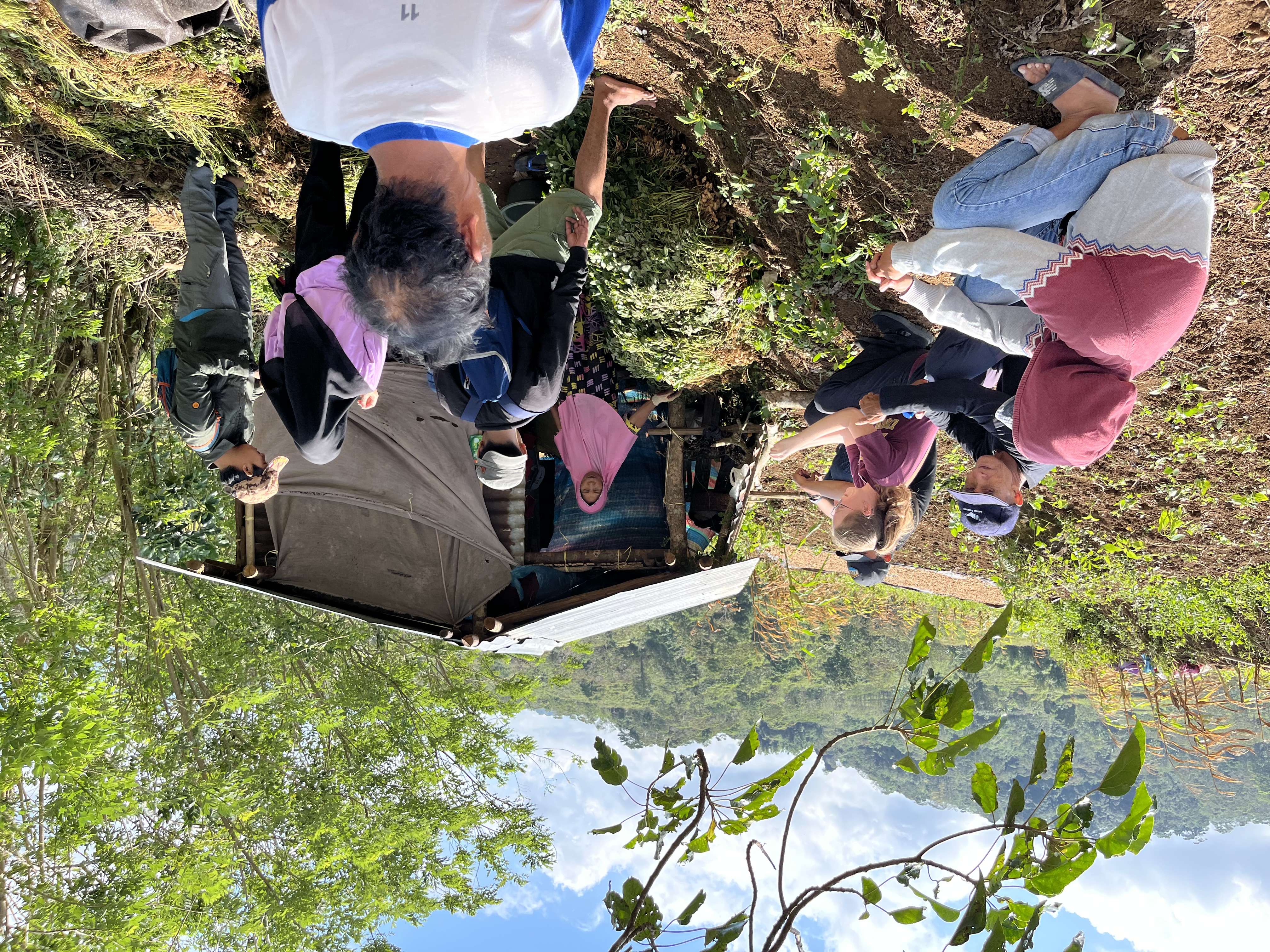
Since 2023, I have led a series of joint field schools in Thailand and Indonesia, bringing together UH Mānoa students with peers from Khon Kaen University, Chiang Mai University, and Hasanuddin University. Students spend weeks embedded in rural communities — conducting interviews, mapping landscapes, and co-producing knowledge alongside the people most affected by agrarian transformation and environmental change. Community members are learning partners, not subjects. The work does not end in the field: students have exhibited research at Hamilton Library and published storymaps, posters, and peer-reviewed papers.
Growing up in rural Indonesia, I came early to the nuances of environmental governance — relative to state development resources, cultural identity, and globalization. My professional work began in post-disaster reconstruction: organizing students after Hurricane Katrina, then living alongside communities in Aceh rebuilding from the Indian Ocean tsunami.
Those years led me toward a systems-based interest in vulnerability, resilience, and the politics of recovery. I went on to work on city planning, resource management, and climate diplomacy across the Asia-Pacific, before completing my PhD in Geography at UH Mānoa in 2019.
My site is named after the dalang — the shadow puppet master who gives voice to many characters and holds the whole narrative together. I think of engaged fieldwork similarly: the researcher as someone who makes space for many stories, not who tells the story for others.
I currently serve as Editor-in-Chief at Forest and Society, hold affiliate appointments at UH Mānoa's Department of Geography and the Faculty of Forestry at Hasanuddin University in Indonesia, and serve as Secretary on the executive committee of the American Institute for Indonesian Studies.